

When iOS 27 rolled out earlier this month, it included an intriguing new feature called iPhone Handoff. The feature wasn’t exactly new—it had already been mentioned in a footnote on the iOS 27 page back in June — but there weren’t many details about how it would work until it arrived.
The idea here is to use the same SIM card and phone number on two iPhones at the same time. Think of it as how the cellular Apple Watch works, but on the iPhone. On the surface, it seems to be an extremely niche purpose, useful for people who have one iPhone for personal use and another for work. But with the launch of the iPhone Duo looming, iPhone Handoff seems to have an entirely different user in mind.
You see, even months before Apple launched the iPhone Duo, some were already speculating that this feature would come at just the right time. That’s because we now have not just one, but two new flagship iPhones — and they’re quite different from each other. Most people will probably choose one or the other, especially since they’re both expensive. But Apple knows there’s a group of enthusiasts who will likely end up with both — and I’m one of them.
The iPhone Duo is by far the most exciting product of this iPhone season. It’s a brand new form factor that opens up new possibilities. Even if you’re not a fan of foldables, chances are you’ll at least want to see this device in person to get a feel for it.
The thing is, while it costs the most, the Duo isn’t exactly the best iPhone in the lineup. Because it’s so thin, Apple had to make some compromises. There’s no Face ID or telephoto camera on the back. For “pro” users, this could be a significant drawback. But the Duo alone has advantages over other iPhones, and that’s where some people might want to get both — maybe a Duo for professional work, and an 18 Pro for fun.
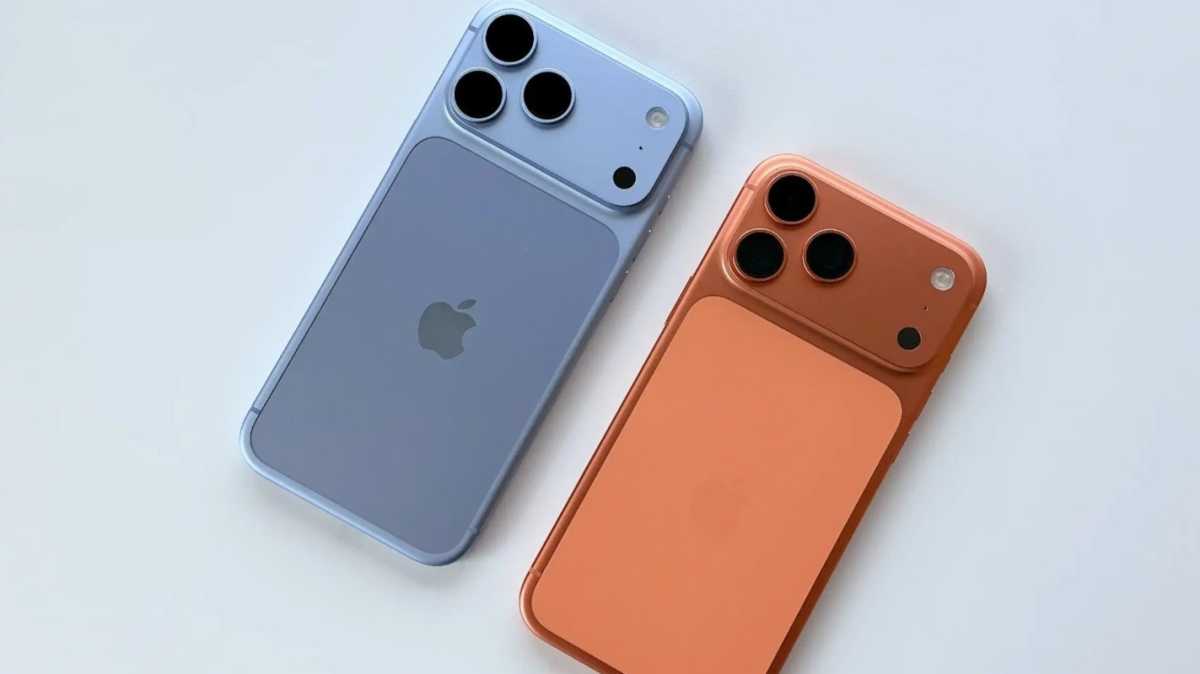
iPhone Handoff makes it easy to switch between two phones without needing a separate number.
Roman Loyola / Foundry
But having two iPhones has historically been a nightmare. I know this because I already have two. Even if you use iCloud, there’s still one thing that doesn’t sync between them: your phone number. That means you need two different phone lines to keep two iPhones with you. Not only is this inconvenient, but it also adds a significant extra cost on your monthly wireless bill.
iPhone Handoff is here to change that. It finally allows two iPhones to share the same phone line. But how does it work?
As I mentioned earlier, the concept of iPhone Handoff pretty much works the same an iPhone-cellular Apple Watch tandem. Currently, if you have an Apple Watch with LTE or 5G, it already uses your iPhone’s SIM card. Essentially, it detects when your iPhone is out of range and automatically swaps your eSIM to the Apple Watch. This lets you stay connected to your 5G network to receive calls, send messages, and so on. As soon as your iPhone comes back within range, your SIM card switches back to it. Everything happens automatically and is invisible to the user.
iPhone Handoff works the same way. Your two iPhones will detect which one is currently in use and automatically activate the eSIM on that device. No need to manually swap SIM cards or have two phone lines. This will make owning two iPhones much easier, whether you need them for work or just don’t want to give up your telephoto camera. Again, not everyone will do this, but it’s nice that Apple had this in mind for those who will.
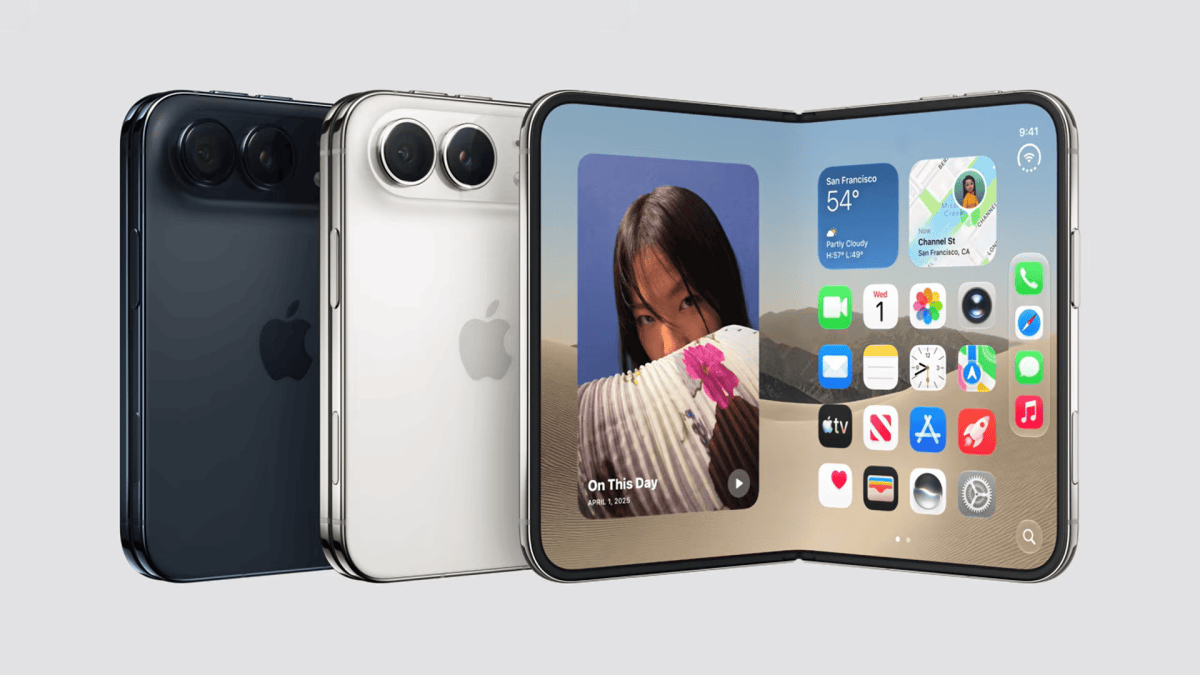
If you’re debating whether to buy an iPhone Duo, iPhone Handoff might convince you.
Apple
Of course, not everything is perfect, and iPhone Handoff is launching with quite a few limitations. The feature is currently available to T-Mobile customers in the U.S. and Telekom customers in Germany — and that’s it. Also, T-Mobile is charging an extra $5 per month for iPhone Handoff. It’s certainly cheaper than paying for an extra line, but it’s still not something you can use for free.
Apple says more carriers will support iPhone Handoff in the coming months, but the truth is there are no further details on what to expect. AT&T recently suggested that it has no plans to support iPhone Handoff anytime soon, so availability might be very limited for a while.
Still, I’m glad Apple came up with a solution for this. Eventually, I’m sure more carriers will start supporting iPhone Handoff, especially if they see that there’s some kind of demand from people who want to have two iPhones. Until the iPhone Duo has the same camera hardware as the iPhone Pro, I’ll probably be one of those people walking around with two iPhones.


