
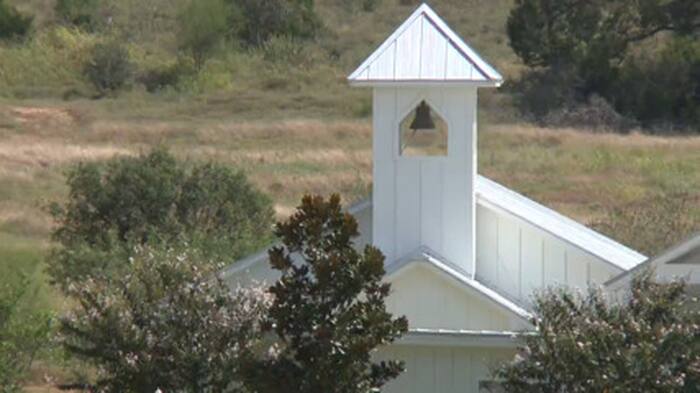
A contract dispute between a grieving woman and a Hill Country wedding venue has drawn strong reactions from KSAT viewers, prompting new questions about what couples can do to protect themselves before signing a contract.
KSAT Investigates first reported Monday on a lawsuit filed in Hays County in late July against Posey Meadows, a wedding venue that refused to refund nearly $16,000 paid by a couple after the groom-to-be died months before their scheduled November wedding.
The venue’s owner not only refused to return the money but also filed a countersuit accusing the woman of breaching her contract.
The legal battle highlights the importance of understanding the fine print before committing thousands of dollars to a wedding venue.
The signed agreement between the couple and Posey Meadows states that money paid toward the venue will be forfeited in the event of a cancellation.
The contract did not include a provision addressing what would happen if either person died before the wedding.
The woman is now seeking the return of the nearly $16,000 paid to the venue, along with attorney fees.
The venue’s countersuit denies the allegations and accuses the surviving fiancée of breaching the couple’s contract.
Following Monday’s report, KSAT Investigates contacted the Better Business Bureau Heart of Texas, which serves more than 100 counties, for guidance on what consumers should consider before booking a wedding venue.
The organization’s advice is simple: Expect the best, but plan for the worst.
The BBB recommends taking several precautions before signing a contract:
Couples should also pay close attention to cancellation policies and whether deposits or other payments are refundable.
A venue’s willingness to negotiate contract terms could be an important consideration before signing on the dotted line.
Citing the ongoing lawsuit, a BBB spokesman declined to comment on the couple’s specific contract.
The Posey Meadows dispute remains the subject of litigation.
The woman is seeking to recover the money paid for a wedding that never took place, while the venue’s owner has accused her of breaching the agreement by not making the final payment.
The attorney for the venue has declined to comment on the merits of the litigation.
The case serves as a reminder that wedding contracts can have significant financial consequences when unexpected circumstances take place.
Read also:


